

Cleft Lip & Palate Surgery in Bhubaneswar

Specialized Cleft Care to Improve Function, Appearance, and Quality of Life


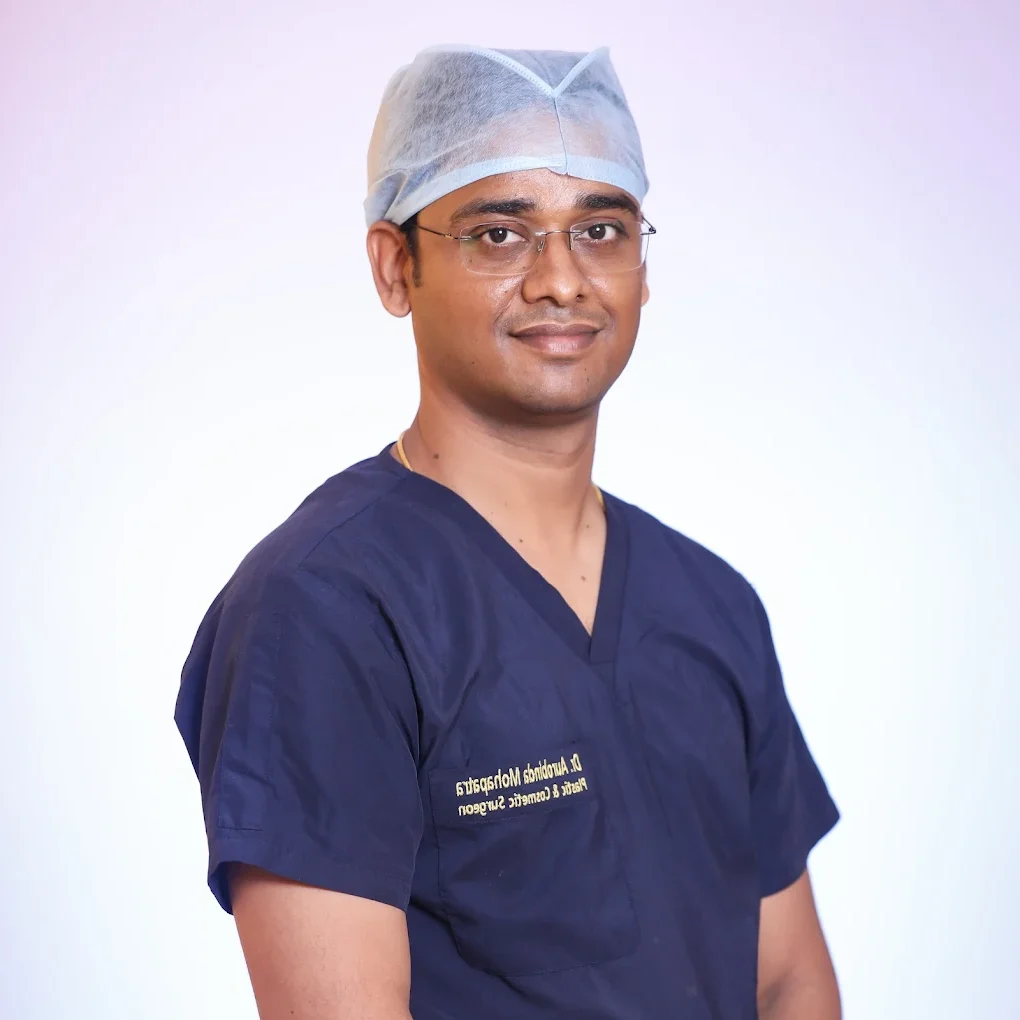
Dr. G. Aurobinda Mohapatra

M.Ch.(Plastic and Reconstructive Surgery)

Get In Touch With Us

Call Us

+91 94383 89007

Cleft lip and cleft palate are congenital conditions in which a baby is born with an opening in the upper lip, the roof of the mouth (palate), or both. Early diagnosis and timely surgical intervention can help improve feeding, speech development, facial appearance, hearing outcomes, and overall quality of life.

At our clinic in Bhubaneswar, we provide comprehensive evaluation and individualized surgical care for children and adults with cleft lip and palate conditions. Treatment plans are tailored to each patient’s age, anatomy, and medical needs and may involve staged procedures and multidisciplinary care.

What is Cleft Lip & Palate Surgery?

Cleft lip and palate surgery is a reconstructive procedure that repairs the separation in the lip, palate, or both. The goals of surgery include:

  • Closing the cleft defect
  • Restoring normal anatomy as much as possible
  • Improving feeding and swallowing function
  • Supporting speech development
  • Enhancing facial symmetry and appearance
  • Promoting healthy growth and development

Many patients require more than one procedure over time as they grow.

Benefits of Cleft Lip & Palate Surgery

  • Repairs the cleft in the lip and/or palate
  • Improves feeding ability in infants and children
  • Supports speech and language development
  • Enhances facial balance and appearance
  • Helps improve oral function
  • May reduce the risk of certain ear-related complications when combined with appropriate care
  • Improves long-term quality of life and confidence
  • Provides individualized reconstructive solutions based on patient needs

Who May Be a Candidate?

Cleft surgery may be recommended for:

  • Infants born with a cleft lip
  • Infants born with a cleft palate
  • Children requiring staged reconstructive procedures
  • Adolescents or adults seeking secondary cleft correction or revision
  • Patients with residual deformities or functional concerns following previous treatment

The timing and type of surgery depend on the patient’s age, overall health, and specific anatomy.

Common Symptoms Associated with Cleft Lip & Palate

Patients may experience:

  • Visible separation of the upper lip
  • Opening in the roof of the mouth
  • Feeding difficulties in infancy
  • Speech challenges
  • Dental alignment issues
  • Nasal asymmetry
  • Recurrent ear problems in some children

A comprehensive assessment helps determine the most appropriate treatment plan.

Consultation Before Surgery

During the consultation, the surgical team will:

  • Review prenatal or birth history (when available)
  • Examine the cleft and surrounding structures
  • Assess feeding, growth, and speech concerns
  • Discuss timing and stages of treatment
  • Explain the surgical procedure and recovery process
  • Outline potential risks and expected outcomes
  • Coordinate care with other specialists when needed

Cleft Lip & Palate Surgery Procedure

Step 1: Preoperative Planning

Detailed evaluation and planning are performed based on the child’s age, cleft type, and overall health.

Step 2: Anesthesia

The procedure is performed under general anesthesia by qualified anesthesia professionals.

Step 3: Surgical Repair

The surgeon carefully reconstructs the lip and/or palate, repositioning tissues to restore function and improve appearance while minimizing tension on the repair.

Step 4: Closure and Recovery

The surgical site is closed using fine sutures, and postoperative monitoring ensures safe recovery before discharge according to the treatment plan.

Recovery Timeline

First Week

  • Mild swelling and discomfort are expected
  • Feeding instructions are provided based on the procedure performed
  • Caregivers receive wound care guidance

Weeks 2–6

  • Healing progresses steadily
  • Follow-up visits monitor recovery
  • Dietary recommendations are adjusted as healing continues

Long-Term

  • Speech, facial growth, and dental development are monitored
  • Additional procedures or therapies may be recommended as the child grows
  • Ongoing multidisciplinary follow-up supports optimal outcomes

Postoperative Care

Successful recovery involves:

  • Following feeding and nutrition instructions carefully
  • Maintaining oral and wound hygiene
  • Attending scheduled follow-up appointments
  • Monitoring for signs of infection or wound problems
  • Participating in speech therapy or orthodontic care if recommended
  • Following activity restrictions during healing

Risks and Possible Complications

As with any surgical procedure, potential risks include:

  • Bleeding
  • Infection
  • Delayed wound healing
  • Scar formation
  • Separation of the repair
  • Temporary swelling
  • Need for additional corrective procedures
  • Speech or functional issues requiring further management

Careful surgical planning and ongoing follow-up help reduce these risks.

Results You Can Expect

Following successful repair and rehabilitation, many patients experience:

  • Improved lip and palate function
  • Better feeding ability
  • Support for normal speech development
  • Enhanced facial appearance and symmetry
  • Improved oral function
  • Greater confidence and quality of life

Long-term outcomes depend on the severity of the cleft, growth, and adherence to recommended follow-up care.

Cleft Lip & Palate Surgery Cost in Bhubaneswar

The cost of treatment varies depending on factors such as:

  • Type and severity of the cleft
  • Number of procedures required
  • Hospital and anesthesia charges
  • Surgeon’s expertise
  • Postoperative rehabilitation needs
  • Additional multidisciplinary care

A detailed consultation provides an individualized treatment plan and cost estimate.

Why Choose Our Clinic for Cleft Lip & Palate Surgery in Bhubaneswar?

  • Personalized treatment planning for each patient
  • Expertise in reconstructive plastic surgery
  • Focus on both functional and aesthetic outcomes
  • Child-friendly and family-centered care
  • Coordination with multidisciplinary specialists when appropriate
  • Comprehensive postoperative follow-up
  • Trusted reconstructive services for patients across Bhubaneswar and Odisha

FAQs

What causes cleft lip and palate?

Cleft lip and palate develop during fetal growth when facial structures do not completely fuse. Multiple genetic and environmental factors may contribute.


At what age is surgery performed?

The timing depends on the type of cleft and the child’s overall health. Your surgeon will recommend an individualized treatment schedule.


Will one surgery completely correct the condition?

Some patients achieve excellent outcomes with initial repair, while others may require additional procedures or therapies during growth and development.


Can feeding improve after surgery?

Many infants experience improved feeding after successful repair, although specialized feeding support may be needed before and after surgery.


Will speech be affected?

Some children benefit from speech therapy as part of their long-term care plan, even after surgical repair.


Are scars noticeable?

Surgeons aim to place incisions and repairs to achieve the best possible cosmetic outcome, though some scarring is expected.


Can adults undergo cleft revision surgery?

Yes. Adults with residual functional or cosmetic concerns may benefit from secondary reconstructive procedures after evaluation.


Is long-term follow-up necessary?

Yes. Ongoing assessment of speech, facial growth, dental development, and overall function is important throughout childhood and sometimes into adulthood.


Is the procedure safe?

When performed by experienced surgical teams with appropriate perioperative care, cleft repair is a well-established reconstructive procedure. As with all surgery, risks and benefits should be discussed during consultation.


Why choose Cleft Lip & Palate Surgery in Bhubaneswar?

Patients in Bhubaneswar receive individualized reconstructive care designed to improve feeding, speech, facial development, and overall quality of life through evidence-based surgical techniques and comprehensive follow-up.