

Lymphedema Surgery in Bhubaneswar

Advanced Surgical Care for Chronic Lymphedema and Limb Swellin


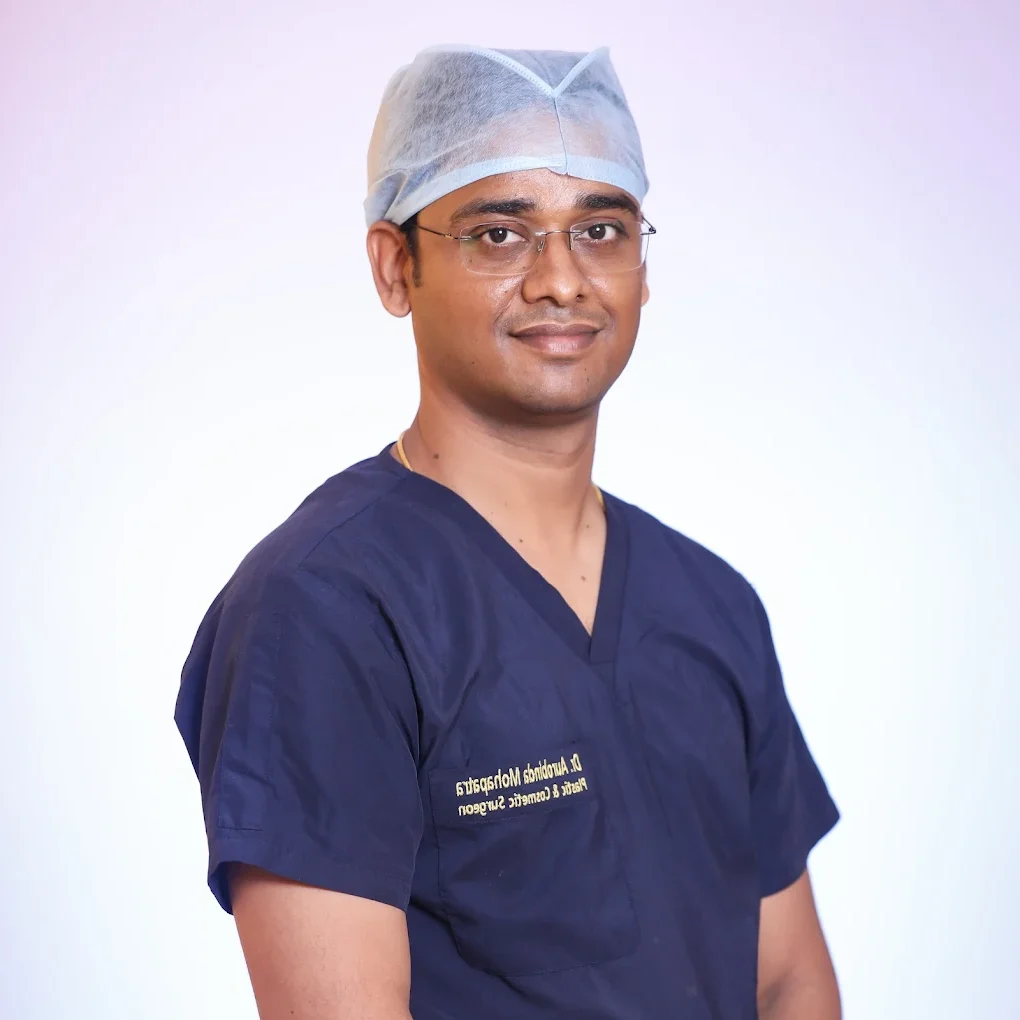
Dr. G. Aurobinda Mohapatra

M.Ch.(Plastic and Reconstructive Surgery)

Get In Touch With Us

Call Us

+91 94383 89007

Lymphedema is a chronic condition in which lymphatic fluid accumulates in the tissues, leading to persistent swelling, discomfort, heaviness, and an increased risk of skin infections. It may develop after cancer treatment, trauma, infection, congenital abnormalities, or other causes affecting the lymphatic system.

At our clinic in Bhubaneswar, we provide comprehensive evaluation and personalized surgical options for eligible patients with lymphedema. Our goal is to improve limb function, reduce swelling where possible, and enhance quality of life as part of a multidisciplinary treatment approach.

What is Lymphedema Surgery?

Lymphedema surgery includes specialized procedures that aim to improve lymphatic drainage or remove excess tissue associated with chronic swelling. Surgical treatment is typically considered when conservative measures alone do not provide adequate symptom control.

Depending on the patient’s condition, surgery may involve physiologic techniques that improve lymphatic flow or excisional procedures designed to reduce tissue volume.

Benefits of Lymphedema Surgery

Potential benefits may include:

  • Reduction in limb swelling in appropriately selected patients
  • Improved limb comfort and mobility
  • Better fit of clothing and compression garments
  • Decreased heaviness or tightness
  • Improved skin care and hygiene
  • Support for daily activities and physical function
  • Enhanced quality of life when combined with ongoing lymphedema management
  • Individualized treatment based on disease stage and patient goals

Results vary depending on the severity and cause of lymphedema.

Who May Be a Candidate?

You may be considered for surgical evaluation if you:

  • Have persistent lymphedema despite conservative therapy
  • Experience recurrent swelling affecting daily activities
  • Have discomfort or reduced mobility due to lymphedema
  • Are medically fit for surgery
  • Understand that surgery complements rather than replaces ongoing lymphedema care

Eligibility is determined after detailed clinical assessment and appropriate investigations.

Common Causes of Lymphedema

Lymphedema may develop due to:

  • Cancer surgery involving lymph node removal
  • Radiation therapy
  • Congenital lymphatic abnormalities
  • Trauma
  • Recurrent infections affecting lymphatic vessels
  • Certain inflammatory or surgical conditions

Accurate diagnosis is essential before treatment planning.

Consultation Before Surgery

Your consultation includes:

  • Review of medical and surgical history
  • Examination of affected limbs
  • Assessment of swelling severity and skin condition
  • Discussion of previous treatments
  • Evaluation of functional limitations
  • Explanation of surgical and non-surgical options
  • Development of an individualized management plan

Imaging or specialized lymphatic studies may be recommended when appropriate.

Surgical Options

Depending on the patient’s needs, treatment may include:

Physiologic Procedures

These techniques aim to improve lymphatic drainage by redirecting or restoring lymphatic flow.

Volume Reduction Procedures

In selected patients with advanced disease, surgery may remove excess tissue to reduce limb size and improve function.

The choice of procedure depends on disease stage, anatomy, and overall health.

Recovery Timeline

First Week

  • Mild swelling and discomfort are expected
  • Dressings and wound care are closely monitored
  • Compression therapy may continue based on medical advice

Weeks 2–6

  • Healing progresses steadily
  • Follow-up visits assess recovery
  • Gradual return to normal activities may be recommended

Long-Term

  • Ongoing compression therapy and rehabilitation may still be necessary
  • Functional improvements develop gradually
  • Long-term monitoring helps optimize outcomes

Recovery varies according to the type of surgery performed and individual healing.

Postoperative Care

Successful management often includes:

  • Wearing compression garments as advised
  • Following wound care instructions carefully
  • Attending regular follow-up appointments
  • Participating in prescribed physiotherapy or lymphatic therapy
  • Maintaining good skin hygiene
  • Staying physically active within medical recommendations
  • Reporting signs of infection promptly

Surgery is usually part of a comprehensive long-term lymphedema management plan.

Risks and Possible Complications

Potential risks include:

  • Bleeding
  • Infection
  • Swelling during recovery
  • Delayed wound healing
  • Scarring
  • Temporary numbness
  • Fluid collection
  • Incomplete symptom improvement
  • Need for additional procedures in some cases

Careful patient selection and postoperative care help minimize these risks.

Results You Can Expect

Depending on the procedure and individual condition, patients may experience:

  • Improvement in limb contour
  • Reduced sensation of heaviness
  • Better mobility and physical function
  • Enhanced comfort in daily activities
  • Improved quality of life
  • Ongoing benefits when combined with compression therapy and rehabilitation

Outcomes vary, and complete resolution of lymphedema is not guaranteed.

Lymphedema Surgery Cost in Bhubaneswar

Treatment costs depend on several factors, including:

  • Severity and stage of lymphedema
  • Type of surgical procedure
  • Hospital and anesthesia charges
  • Surgeon’s expertise
  • Diagnostic imaging requirements
  • Rehabilitation and follow-up care

A personalized consultation provides an individualized treatment plan and cost estimate.

Why Choose Our Clinic for Lymphedema Surgery in Bhubaneswar?

  • Personalized assessment and treatment planning
  • Advanced reconstructive and microsurgical expertise
  • Evidence-based management strategies
  • Integration with comprehensive lymphedema care
  • Focus on functional improvement and long-term outcomes
  • Modern surgical facilities and patient-centered care
  • Trusted services for patients across Bhubaneswar and Odisha

FAQs

What is lymphedema?

Lymphedema is chronic swelling caused by impaired drainage of lymphatic fluid, commonly affecting the arms or legs.


Is surgery necessary for every patient?

No. Many patients are effectively managed with compression therapy, exercise, skin care, and specialized physiotherapy. Surgery is considered for selected individuals after evaluation.


Can surgery cure lymphedema?

Surgery may improve symptoms and limb function in appropriate candidates, but it does not guarantee a complete cure.


Will I still need compression garments after surgery?

Many patients continue to benefit from compression therapy even after surgical treatment, depending on their condition.


How long is recovery?

Recovery varies according to the procedure performed and individual healing but often spans several weeks, with long-term follow-up recommended.


Who is a good candidate?

Patients with persistent lymphedema despite conservative treatment and appropriate clinical findings may be candidates for surgical evaluation.


Can lymphedema return after surgery?

Symptoms may persist or recur over time, making ongoing management and follow-up important.


Is rehabilitation important?

Yes. Physical therapy, compression therapy, and skin care remain key components of long-term lymphedema management.


Does surgery reduce the risk of infection?

Improved limb management may help reduce complications in some patients, but continued skin care and monitoring remain essential.


Why choose Lymphedema Surgery in Bhubaneswar?

Patients in Bhubaneswar receive individualized evaluation and advanced reconstructive care designed to reduce symptoms, improve limb function, and complement comprehensive long-term lymphedema management.