

Trauma Reconstruction Surgery in Bhubaneswar

Restoring Form, Function, and Confidence After Traumatic Injuries


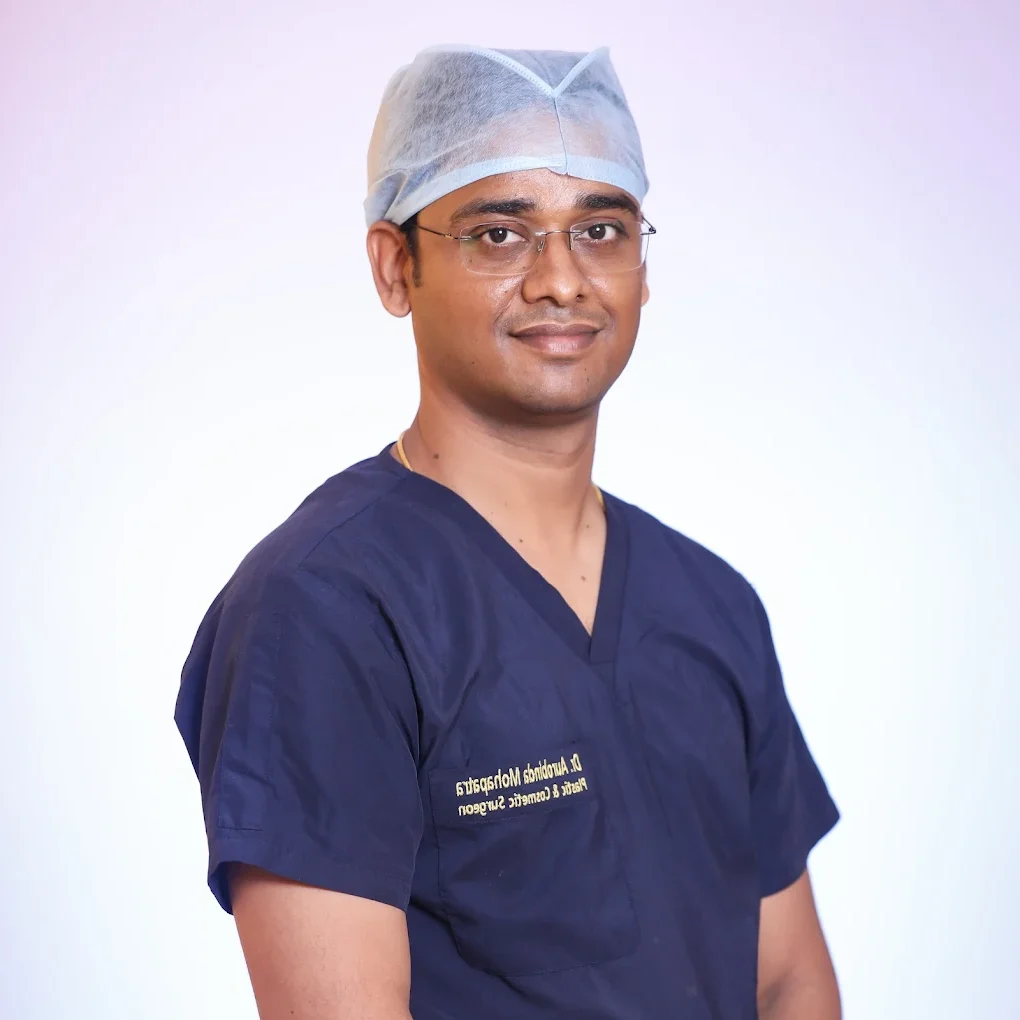
Dr. G. Aurobinda Mohapatra

M.Ch.(Plastic and Reconstructive Surgery)

Get In Touch With Us

Call Us

+91 94383 89007

Accidents and traumatic injuries can result in damage to the skin, soft tissues, muscles, bones, and other structures, affecting both appearance and function. Trauma reconstruction surgery is a specialized branch of plastic and reconstructive surgery that focuses on repairing these injuries, restoring mobility, and improving quality of life.

At our clinic in Bhubaneswar, we provide personalized trauma reconstruction procedures using advanced surgical techniques tailored to each patient’s injuries, medical condition, and recovery goals.

What is Trauma Reconstruction Surgery?

Trauma reconstruction involves surgical procedures designed to repair tissues damaged by road traffic accidents, workplace injuries, sports injuries, falls, animal bites, burns, or other forms of physical trauma.

Treatment may include wound reconstruction, scar revision, skin grafting, flap surgery, contracture release, or soft tissue repair depending on the severity and location of the injury.

Benefits of Trauma Reconstruction

  • Restores damaged soft tissues and skin
  • Improves function and mobility after injury
  • Enhances cosmetic appearance where possible
  • Reduces scar-related deformities
  • Improves wound healing and tissue coverage
  • Helps preserve limb and facial function
  • Supports long-term rehabilitation and recovery
  • Individualized treatment based on the patient’s needs

Who May Benefit?

You may be a candidate for trauma reconstruction if you have:

  • Facial injuries
  • Deep lacerations or tissue loss
  • Soft tissue defects following accidents
  • Traumatic scars affecting appearance or movement
  • Contractures limiting joint function
  • Injuries requiring skin grafts or flap reconstruction
  • Complex wounds requiring reconstructive plastic surgery

A comprehensive evaluation determines the most appropriate treatment strategy.

Common Conditions Treated

Trauma reconstruction may address:

  • Road traffic accident injuries
  • Crush injuries
  • Facial trauma
  • Avulsion injuries
  • Complex lacerations
  • Soft tissue loss
  • Traumatic scars
  • Post-traumatic deformities
  • Burn-related tissue defects
  • Functional limitations caused by scar contractures

Consultation Before Surgery

Your consultation includes:

  • Review of injury history and previous treatments
  • Physical examination of affected areas
  • Assessment of wound healing and tissue quality
  • Functional evaluation
  • Discussion of reconstructive goals
  • Explanation of available surgical options
  • Development of an individualized treatment plan

Some patients may require staged reconstruction depending on injury severity.

Trauma Reconstruction Procedure

Step 1: Clinical Assessment

The surgeon evaluates tissue damage, blood supply, wound condition, and functional impairment.

Step 2: Surgical Planning

A customized reconstruction strategy is developed based on the location and complexity of the injury.

Step 3: Reconstruction

Depending on the case, treatment may involve:

  • Wound closure
  • Scar revision
  • Skin grafting
  • Local or regional flap reconstruction
  • Soft tissue rearrangement
  • Contracture release
  • Tissue coverage procedures

Step 4: Closure and Recovery

After reconstruction, dressings are applied and postoperative care instructions are provided to support healing.

Recovery Timeline

First Week

  • Swelling and mild discomfort are expected
  • Dressings require regular monitoring
  • Limited activity may be recommended

Weeks 2–6

  • Healing progresses steadily
  • Sutures or wound care continue as advised
  • Rehabilitation exercises may begin when appropriate

Several Months

  • Scar maturation continues
  • Functional improvements become more noticeable
  • Long-term tissue remodeling enhances outcomes

Recovery time depends on the nature and severity of the injury.

Postoperative Care

For the best possible recovery:

  • Follow wound care instructions carefully
  • Attend scheduled follow-up visits
  • Take prescribed medications as directed
  • Protect healing tissues from further injury
  • Participate in physiotherapy or rehabilitation if recommended
  • Maintain adequate nutrition and hydration
  • Contact your healthcare provider if signs of infection or unusual symptoms occur

Risks and Possible Complications

Potential risks include:

  • Infection
  • Bleeding
  • Swelling
  • Delayed wound healing
  • Scar formation
  • Skin graft or flap complications
  • Temporary changes in sensation
  • Residual deformity
  • Need for additional reconstructive procedures

Appropriate surgical planning and postoperative care help reduce these risks.

Results You Can Expect

Depending on the injury and treatment performed, patients may experience:

  • Improved wound coverage
  • Better tissue contour and appearance
  • Enhanced mobility and function
  • Reduced scar contracture
  • Improved comfort in daily activities
  • Long-term reconstructive benefits that support rehabilitation and quality of life

Results vary according to injury severity, healing capacity, and adherence to postoperative care.

Trauma Reconstruction Cost in Bhubaneswar

The cost depends on several factors, including:

  • Extent and location of injury
  • Complexity of reconstruction
  • Need for skin grafts or flap procedures
  • Hospital and anesthesia charges
  • Surgeon’s expertise
  • Number of surgical stages required
  • Rehabilitation needs

A consultation provides a personalized treatment plan and cost estimate.

Why Choose Our Clinic for Trauma Reconstruction in Bhubaneswar?

  • Personalized reconstructive care plans
  • Advanced plastic and reconstructive surgical techniques
  • Focus on restoring both function and appearance
  • Modern operation facilities and safety protocols
  • Comprehensive postoperative monitoring
  • Rehabilitation guidance when appropriate
  • Trusted reconstructive surgery services for patients throughout Bhubaneswar and Odisha

FAQs

What is trauma reconstruction?

Trauma reconstruction is surgery performed to repair tissues damaged by accidents or injuries, with the goal of restoring function and improving appearance.


Can facial injuries be reconstructed?

Yes. Plastic surgeons commonly perform reconstructive procedures for facial soft tissue injuries and scars when appropriate.


Will scars disappear completely?

No. Reconstruction aims to improve scars and function, but complete scar removal is generally not possible.


Is skin grafting always required?

Not always. Some injuries can be repaired with local tissue rearrangement or flap techniques instead of skin grafts.


How long does recovery take?

Recovery depends on the extent of injury and the reconstructive procedure performed and may range from weeks to several months.


Can movement improve after reconstruction?

Many patients experience improved mobility when scar contractures or tissue defects are successfully corrected.


Will I need physiotherapy?

Some patients benefit from rehabilitation or physiotherapy as part of their recovery, especially after injuries affecting movement.


Can multiple surgeries be required?

Complex trauma may require staged reconstruction to achieve the best possible functional and cosmetic outcomes.


Is follow-up important?

Yes. Regular follow-up appointments allow monitoring of healing and timely management of any complications.


Why choose Trauma Reconstruction in Bhubaneswar?

Patients in Bhubaneswar receive individualized reconstructive care using modern plastic surgery techniques focused on restoring tissue integrity, improving function, minimizing deformity, and supporting long-term recovery after traumatic injuries.