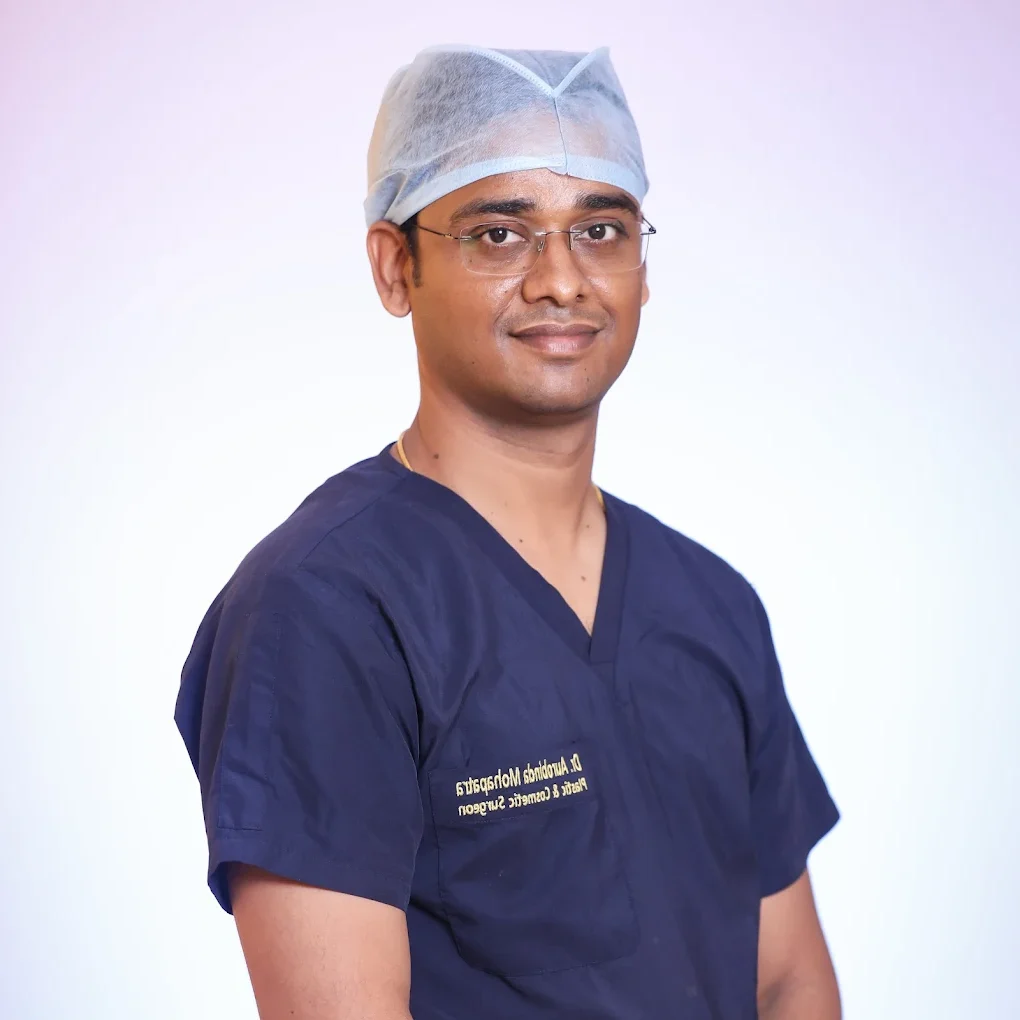



Enlarged male breasts, often called “man boobs”, can make men avoid fitted shirts, swimming or the gym. If the problem has not settled with time, diet or exercise, gynecomastia surgery in Bhubaneswar can reduce the extra tissue and give a flatter, more natural chest. At REEU Aesthetic, you can first find out what is causing it and whether surgery is truly needed. If you are ready to talk to a surgeon, you can book a gynecomastia consultation and get a plan made for your chest.
What Is Gynecomastia?
Gynecomastia is the growth of glandular (breast gland) tissue in men. It can affect one side or both, and can happen in teenage years or adulthood. Many other things can look similar, so the first job is to find out which one you have:
This matters because the treatment is different. Fat can be removed by liposuction, but gland tissue needs to be cut out.
Treating or removing the cause is an important first step. Surgery done without checking the cause can fail if the trigger continues.
Gynecomastia is usually harmless, but please get checked soon if you notice a hard, fixed lump on one side, skin dimpling, nipple discharge or bleeding, or sudden pain. These are uncommon, but they need to be properly examined and not assumed to be gynecomastia.
Sometimes. In teenage boys, it often settles on its own within a couple of years. If a medicine or steroid is the cause, stopping it (only on a doctor’s advice) may help. Weight loss can reduce fat-related enlargement.
However, once firm gland tissue has been present for a long time, diet and exercise usually cannot remove it. Exercise can build chest muscle, but it cannot dissolve breast gland. Doctors may suggest medicines in selected cases, but this needs a medical review. Surgery is considered when the condition is persistent, causing discomfort or affecting your daily life.
Surgeons often use Simon’s grading to plan treatment:
Grade | What it means |
I | Small enlargement, no extra skin |
IIa | Moderate enlargement, no extra skin |
IIb | Moderate enlargement with some extra skin |
III | Marked enlargement with extra, loose skin |
Higher grades may need more than liposuction, and sometimes skin removal. Your surgeon will tell you which grade fits you.
The technique depends on whether you have fat, gland tissue or both:
Some men also have tissue that extends toward the armpit. If this applies to you, axillary breast tissue removal may be discussed as well.
You may be suitable if you:
For teenagers, surgeons usually wait until the condition is stable and the cause is checked. Consent from a parent or guardian is needed for anyone under 18.
At your first visit, the surgeon will:
Bring any old reports or medicine lists with you. You can book a gynecomastia consultation online, and our team will help you choose a time.
The time taken depends on how much tissue needs to be treated.
Time | What to expect |
First week | Swelling, bruising and soreness are common and are managed with prescribed medicines. Light walking is encouraged. |
Weeks 2–6 | Swelling slowly goes down. Many men return to desk work and daily routine within this period, depending on advice. |
3–6 months | The chest shape keeps improving as swelling settles and scars begin to mature. |
Your surgeon will tell you when you can restart heavy exercise.
Like any surgery, this one carries risks:
Careful planning and good aftercare lower these risks, but they cannot remove them completely.
Most men see a flatter and firmer chest, better symmetry and more comfort in fitted clothes. The final result takes a few months to appear fully. Results depend on your anatomy, skin quality, weight and healing, so a perfect result cannot be promised.
Disclaimer: Results vary from person to person. This page is for general information and is not a substitute for medical advice. Please consult a qualified doctor.
It depends on the cause and type. Fatty enlargement may respond to weight loss or liposuction. Persistent gland tissue is usually treated by surgery, often liposuction with gland excision. Some early or drug-related cases are managed medically. A doctor’s examination decides this.
Sometimes, especially in teens or when a medicine or steroid is the cause. Long-standing gland tissue rarely goes away with exercise or diet alone. Never start hormone or other medicines on your own.
Most men feel soreness and tightness for a few days, not severe pain. Prescribed medicines usually keep it manageable.
There is no standard price. It varies by city, hospital, surgeon, severity and technique. Ask for an itemised estimate after examination, and be cautious about quotes that seem unusually low.
In teenagers, it often settles within a couple of years as hormones balance. It can also appear in older men. If it lasts beyond that, or if it is painful or growing, get it checked.
The gland tissue and fat that are removed do not grow back. However, some tissue remains, and weight gain, steroids, certain medicines or hormone changes can cause enlargement again. A stable weight and healthy habits help results last.
Gynecomastia is growth of firm gland tissue, often under the nipple. Chest fat is soft and spread out. Many men have both, and an examination tells them apart.
Scars are usually small and placed at the edge of the areola or in tiny cuts, so they tend to fade with time. Larger cases with skin removal may leave longer scars. Healing differs from person to person.
Many men return to desk work in about one to two weeks, depending on advice. Swelling takes weeks to settle, and the final shape keeps improving over a few months.
Yes, it is usually advised. It reduces swelling and fluid build-up and supports the new chest contour.
Yes. One-sided enlargement is possible and often harmless, but a hard one-sided lump should be checked by a doctor.
Often it is done for appearance and confidence, but some men also have tenderness or discomfort. Your surgeon will first confirm that there is no underlying medical cause.