

Otoplasty (Ear Reshaping Surgery) in Bhubaneswar

Improve Ear Shape and Facial Balance with Expert Otoplasty


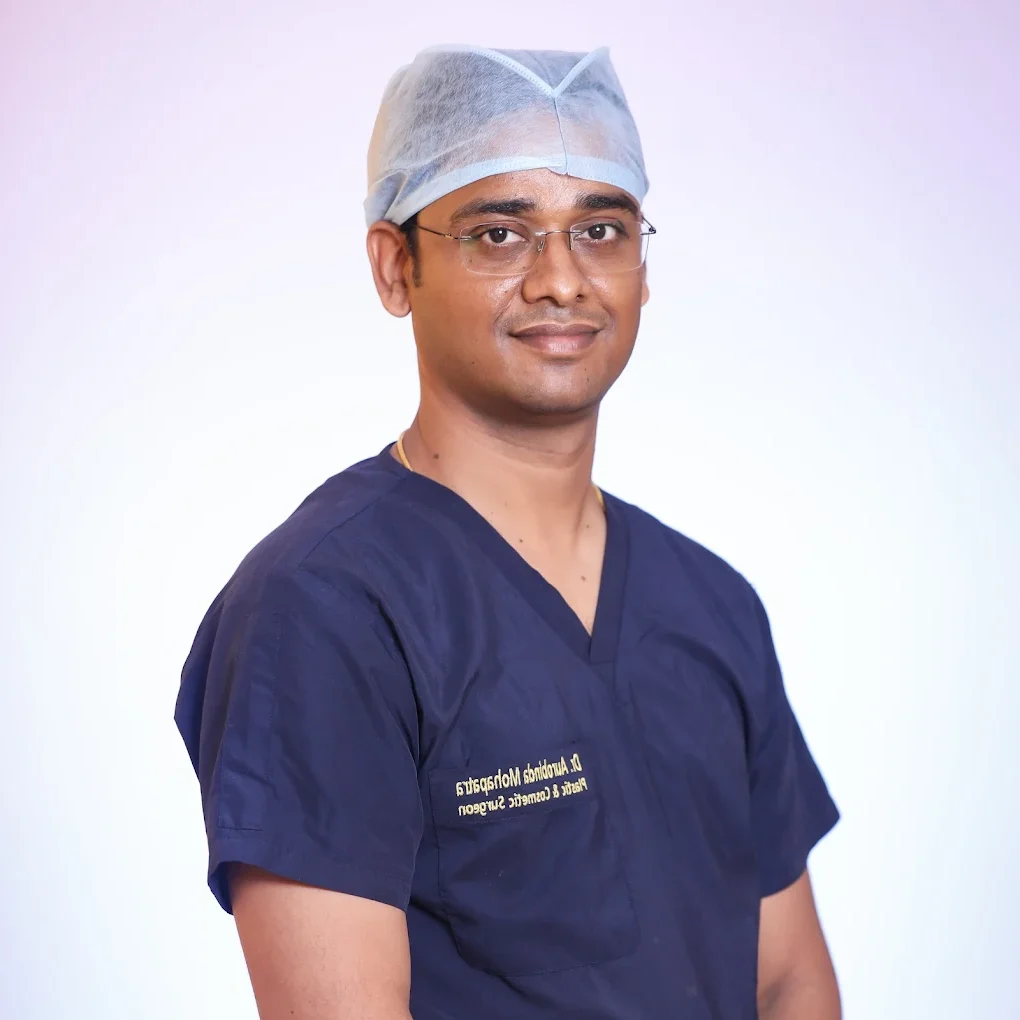
Dr. G. Aurobinda Mohapatra

M.Ch.(Plastic and Reconstructive Surgery)

Get In Touch With Us

Call Us

+91 94383 89007

Prominent, asymmetrical, or misshapen ears can affect facial harmony and self-confidence in both children and adults. Otoplasty, also known as ear reshaping or ear pinning surgery, is a cosmetic procedure designed to reposition, reshape, or resize the ears for a more balanced and natural appearance.

At our clinic in Bhubaneswar, we provide personalized otoplasty procedures using advanced surgical techniques to deliver aesthetically pleasing results while preserving the natural contours of the ears.

What is Otoplasty?

Otoplasty is a surgical procedure performed to improve the appearance of the external ears. It can reduce ear prominence, correct congenital deformities, improve symmetry, or reshape ears affected by injury or previous surgery.

The procedure focuses on creating proportionate ears that complement the overall facial profile without drawing unnecessary attention.

Benefits of Otoplasty

    • Corrects protruding or prominent ears
    • Improves ear symmetry and shape
    • Reduces oversized ears when appropriate
    • Enhances facial balance and proportions
    • Corrects certain congenital ear deformities
    • Provides permanent cosmetic improvement
    • Leaves scars hidden behind the ears
    • Boosts self-confidence in children and adults

Who is an Ideal Candidate?

You may be a suitable candidate if you:

  • Have ears that protrude noticeably from the head
  • Are unhappy with the size or shape of your ears
  • Have asymmetrical ears
  • Have congenital ear irregularities
  • Wish to improve ear appearance after injury
  • Are in good general health
  • Have realistic expectations about surgical outcomes

Children are often considered for otoplasty once ear growth is sufficiently developed, while adults can undergo the procedure at any age if medically appropriate.

Conditions Treated with Otoplasty

Otoplasty may help correct:

  • Prominent ears
  • Protruding ears
  • Large ears
  • Ear asymmetry
  • Misshapen ear cartilage
  • Congenital ear deformities
  • Ear injuries affecting appearance
  • Cosmetic concerns related to ear position or contour

Consultation Before Surgery

Your consultation includes:

  • Review of medical history
  • Examination of ear anatomy
  • Assessment of cartilage structure
  • Discussion of cosmetic goals
  • Surgical planning
  • Explanation of benefits, risks, and recovery
  • Personalized recommendations based on facial proportions

Otoplasty Procedure

Step 1: Anesthesia

The surgery is performed under local anesthesia with sedation or general anesthesia, depending on the patient’s age and the complexity of the procedure.

Step 2: Incision Placement

Small incisions are typically made behind the ears where resulting scars are discreetly concealed.

Step 3: Ear Reshaping

The cartilage is sculpted, folded, or repositioned to achieve the desired contour and reduce prominence. Sutures may be used to maintain the new shape.

Step 4: Closure

The incisions are carefully closed, and protective dressings or a supportive head bandage may be applied.

Most otoplasty procedures are completed within one to two hours.

Recovery Timeline

First Week

  • Mild swelling and discomfort
  • Protective head dressing may be worn
  • Sleeping on the ears should be avoided

Weeks 2–3

  • Swelling gradually decreases
  • Many patients return to work or school
  • A supportive headband may be recommended during sleep

1–3 Months

  • Final ear contours become more apparent
  • Residual swelling continues to resolve
  • Scars mature and become less noticeable

Aftercare Instructions

For the best healing experience:

  • Wear any recommended protective headband as instructed
  • Avoid sleeping directly on the ears during early recovery
  • Keep the surgical area clean and dry
  • Avoid strenuous physical activities until cleared
  • Protect the ears from accidental trauma
  • Attend all follow-up appointments
  • Follow medication and wound-care instructions carefully

Risks and Possible Complications

Although generally safe, otoplasty may involve certain risks, including:

  • Swelling and bruising
  • Infection
  • Bleeding
  • Temporary numbness
  • Scarring
  • Asymmetry
  • Cartilage irregularities
  • Suture-related issues
  • Rare need for revision surgery

Proper surgical planning and postoperative care help reduce these risks.

Results You Can Expect

Patients commonly experience:

  • Ears positioned closer to the head
  • Improved ear symmetry
  • Better facial balance
  • Enhanced confidence in social settings
  • Natural-looking contours
  • Long-lasting cosmetic improvement

Results are generally permanent once healing is complete.

Otoplasty Cost in Bhubaneswar

The overall cost depends on factors such as:

  • Extent of ear correction required
  • One ear or both ears being treated
  • Surgical complexity
  • Hospital and anesthesia charges
  • Surgeon’s expertise
  • Individual treatment requirements

A consultation is recommended to receive a personalized treatment plan and accurate cost estimate.

Why Choose Our Clinic for Otoplasty in Bhubaneswar?

  • Customized treatment planning
  • Advanced ear reshaping techniques
  • Focus on natural-looking results
  • Experienced surgical care
  • High standards of patient safety
  • Comprehensive postoperative follow-up
  • Trusted cosmetic surgery services for patients across Bhubaneswar and Odisha

FAQs

Is otoplasty permanent?

Yes. The changes made during ear reshaping surgery are generally permanent.


Will there be visible scars?

Incisions are usually hidden behind the ears, making scars minimally visible after healing.


Is otoplasty painful?

Most patients experience mild discomfort that is manageable with prescribed medications.


Can children undergo otoplasty?

Yes. Otoplasty is commonly performed in appropriately selected children after sufficient ear development, as well as in adults.


How long does recovery take?

Most patients return to routine activities within one to two weeks, although complete healing continues over several months.


Will my hearing be affected?

No. Otoplasty changes the external appearance of the ears and does not typically affect hearing.


Can only one ear be corrected?

Yes. If needed, surgery may be performed on one ear to improve symmetry.


When can I resume exercise?

Light activities may resume after your surgeon’s approval, while contact sports and strenuous exercise should be postponed until healing is adequate.


Are the results natural-looking?

Modern techniques focus on subtle correction that complements your facial features without making the ears appear overcorrected.


Why choose otoplasty in Bhubaneswar?

Patients in Bhubaneswar benefit from individualized treatment planning, modern surgical methods, and convenient postoperative care while remaining close to home.