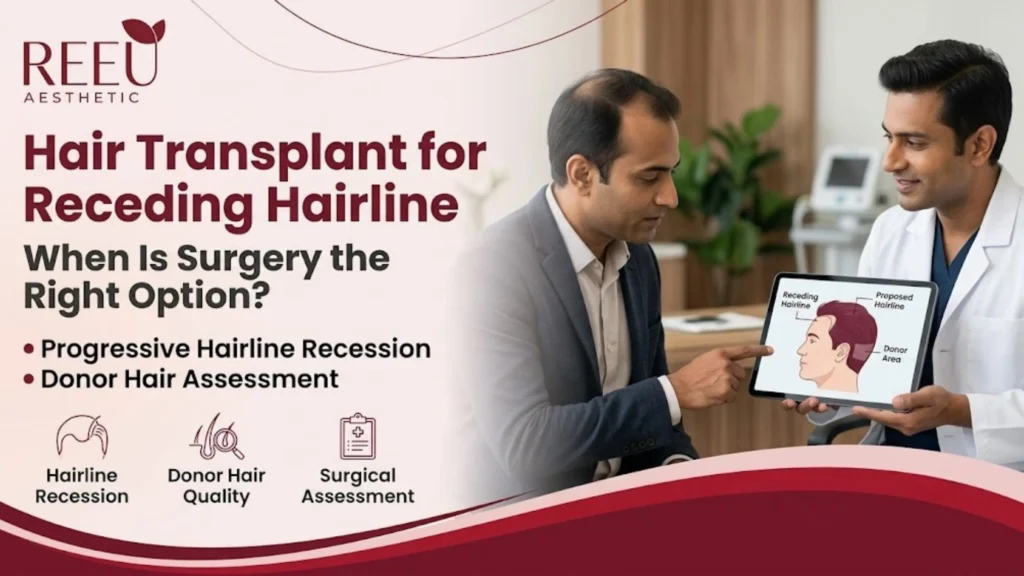




A receding hairline is one of the earliest signs of hair loss, and for many people it starts in their twenties or thirties. If you are tired of watching the temples deepen and the forehead grow, you may be wondering whether a hair transplant for receding hairline is the right step, or whether other treatments should come first.
This guide helps you understand when surgery makes sense, when it is better to wait, and what you should know before deciding.
What Causes a Receding Hairline?
The most common cause is androgenetic alopecia, also called male pattern baldness. It is driven by genetics and sensitivity to the hormone DHT, which gradually shrinks hair follicles at the hairline and temples.
Other factors can contribute or mimic it:
- Nutritional deficiencies
- Thyroid or hormonal problems
- Chronic stress
- Tight hairstyles that pull on the hairline (traction alopecia)
- Certain medications and scalp conditions
Because the causes differ, a proper diagnosis comes first. Our overview of hair loss treatment in Bhubaneswar explains how different types of hair loss are evaluated.
Is a Receding Hairline Always a Sign of Baldness?
Not always. A slightly mature hairline is a normal part of ageing for many men and does not always progress. However, if you notice the temples receding steadily, hair becoming finer, or an M-shaped pattern forming, it is likely to be progressive and worth assessing early.
When Is a Hair Transplant the Right Option?
A hair transplant for receding hairline is usually worth considering when:
- Your hair loss has stabilised or is predictable. Surgeons prefer to operate once the pattern is reasonably established, so the new hairline stays in harmony with future loss.
- Medical treatment has not given the coverage you want. Medicines and supportive therapies can slow loss, but they cannot always restore a hairline that has already receded.
- You have good donor hair. The back and sides of the scalp need enough healthy, dense hair to harvest.
- You have realistic expectations. A transplant improves coverage and framing of the face, but it does not recreate teenage density.
- You are in good general health. Your doctor will review your medical history before planning surgery.
When Should You Wait or Try Other Options First?
Surgery may not be the best first step if:
- You are very young and your hair loss pattern is still unpredictable
- The cause of your hair loss has not been diagnosed
- Your donor hair is thin or limited
- You have an active scalp condition
- You expect a result that would need more donor hair than you have
In these situations your doctor may suggest starting with non-surgical care and reviewing the plan later.
Non-Surgical Options for a Receding Hairline
For early hair loss, treatment options depend on the underlying cause and the individual’s clinical assessment. Options may include appropriate medical treatment and, in selected cases, procedures such as PRP therapy, GFC therapy, mesotherapy or microneedling. The evidence, suitability and expected benefits differ between treatments, and none should be presented as a guaranteed way to restore a receded hairline. A qualified clinician can explain the potential benefits, limitations and risks of each option.
For people who prefer a shaved look or have limited donor hair, scalp micropigmentation can create the appearance of a fuller hairline using pigment.
How a Hair Transplant Restores a Receding Hairline

Hair transplantation involves moving hair follicles from a donor area to selected areas of the scalp. The suitability of the donor hair depends on factors such as hair characteristics, the pattern of hair loss and the condition of the donor area. Hair taken from areas that are relatively resistant to androgen-related hair loss may continue to grow long term, but individual results vary. A consultation helps determine whether transplantation is appropriate.
The key steps are:
- Consultation and design. The surgeon plans a hairline that suits your face shape, age and expected future loss.
- Donor harvesting. Follicles are carefully extracted or removed from the donor area.
- Recipient site creation. Tiny incisions are made at the correct angle and direction.
- Graft placement. Single-hair grafts usually go at the very front for a soft, natural edge, with multi-hair grafts behind them for density.
You can learn more about the full process on our hair transplant in Bhubaneswar page.
How Many Grafts Are Needed for a Receding Hairline?
The number of grafts required for a receding hairline varies according to the size of the area being treated, the extent of temple recession, hair characteristics, donor supply and the desired coverage. Some cases may require around 1,500–3,000 grafts, but this range is only an estimate and will not apply to everyone. The treating clinician should assess the donor area and plan graft use with future hair loss in mind.
Why Hairline Design Matters
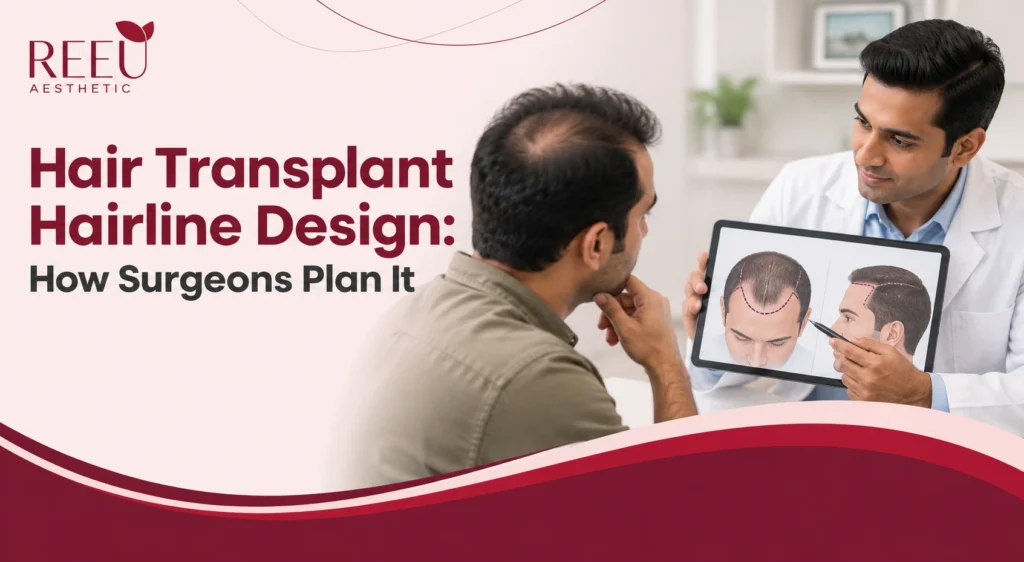
The hairline frames your face, so design is as important as the number of grafts. A well-planned hairline:
- Follows your natural facial proportions
- Has a slightly irregular, soft edge instead of a straight line
- Avoids being placed too low, which can look unnatural and cause problems as you age
- Leaves room for future hair loss
Hairline planning should take account of facial proportions, age, the current pattern of hair loss, donor supply and the possibility of future hair loss. Discuss the proposed design, expected coverage, limitations and alternatives with the clinician before deciding on surgery.
What to Expect After the Procedure
Recovery and hair growth timelines vary between individuals. Your clinician can explain the expected healing process, aftercare requirements and when changes in hair growth may become noticeable.
- First week: Mild redness, scabbing and swelling around the treated areas are common.
- Weeks 2–4: Transplanted hairs often shed. This is a normal part of the cycle.
- Months 3–4: New growth begins to appear.
- Months 9–12: Hair becomes thicker and the result looks much more complete.
Follow your doctor’s aftercare instructions closely, including how to wash your scalp and when to avoid sun exposure and strenuous exercise.
Risks and Limitations to Know About
Like any surgical procedure, hair transplantation carries potential risks, including swelling, infection, scarring, uneven growth and temporary shedding of existing hair. The likelihood and severity of complications vary between individuals. Results cannot be guaranteed, and transplanted hair does not prevent untreated native hair from continuing to thin. Your clinician can explain the potential risks, likely limitations and options for managing future hair loss before you decide on treatment.
Final Thoughts
A hair transplant for a receding hairline may be an option for selected patients after assessment of the cause and pattern of hair loss, donor hair availability and individual expectations. If hair loss is still progressing or its cause is uncertain, diagnosis and appropriate medical management may need to come first. Treatment decisions should be based on an individual clinical assessment rather than a standard graft count or a promised outcome.
The best next step is a personal evaluation. You can book an appointment to discuss your hairline, or reach out through our contact page with any questions. To see our work, visit the gallery and the testimonials page.
Disclaimer: This article is for general information and does not replace medical advice. Results vary from person to person. Please consult a qualified doctor before making any treatment decision.
Frequently Asked Questions
1. At what age can I get a hair transplant for a receding hairline?
There is no fixed age, but most surgeons prefer patients above their early twenties, once the hair loss pattern is reasonably clear.
2. Will a hair transplant look natural at the hairline?
With careful design and proper graft placement, results can look natural. The skill of planning and placement matters a great deal.
3. Is a hair transplant permanent?
Transplanted hair from the donor area is generally long-lasting, but your existing native hair may continue to thin over time.
4. Is the procedure painful?
It is usually done under local anaesthesia, so most patients feel only mild discomfort during the process.
5. Can women get a hair transplant for a receding hairline?
Yes, in selected cases such as a high hairline or traction-related recession. A medical evaluation is needed first.